
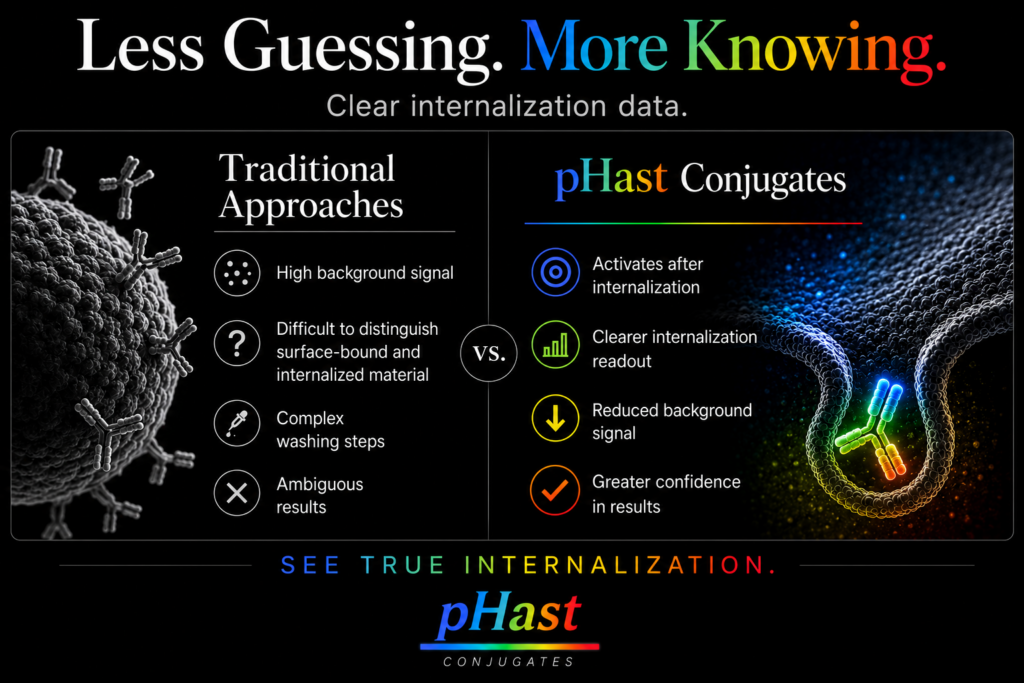
If internalization is a critical part of your research or development workflow, choosing the right assay format matters.
pHast Conjugates were designed to help researchers generate clearer, more confident internalization data across a range of targeting materials and assay platforms.
Saporin as the Scalpel in Molecular Surgery to create Models of Dementia, Alzheimer’s Disease and Parkinson’s Disease

How to explore
Advanced Targeting Systems
Products

Filter Products By:

Library





Featured


ZAP Kits
Which kit is right for your research? Check out this video or browse our list of ZAP products.

Secondary Antibodies
Browse our selection of Secondary Antibodies providing reliable, consistent performance across a wide range of research applications


Have a question about your next project?
Contact us and let’s get started targeting together.